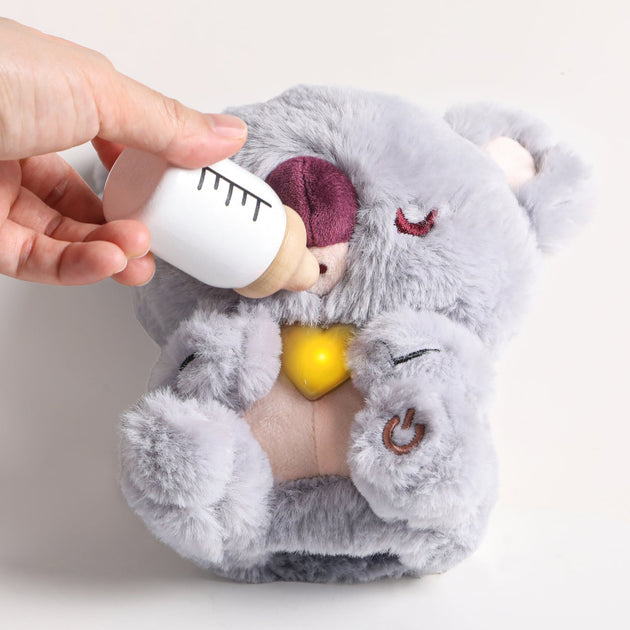
Parents often want their child to be kind, patient, and able to handle big feelings. The good news is that empathy can be practiced through everyday play, especially pretend care play.Pretend pet care works well because it is simple. Kids understand feeding, comforting, and gentle touch. With a few easy routines, you can turn playtime into social-emotional learning without making it feel like a lesson.
Why pretend pet care builds empathyEmpathy is the ability to notice how someone else feels and respond with care. Preschoolers learn this best through repetition and clear cause and effect.Pretend pet care helps because it:Gives kids a “someone” to care forCreates predictable routines like feeding and groomingLets kids practice gentle actions and calming behaviorBuilds emotion vocabulary in a natural way
A quick 3-step empathy routine you can use todayTry this routine during playtime. It takes about 5 minutes.Name the feelingSay a simple feeling word: happy, hungry, fussy, calm.Ask the caring question“What does your pet need right now?”Do one caring actionFeed, brush, cuddle, or comfort with gentle touch.Repeat this routine a few times per week. Consistency matters more than length.
5 pretend pet care activities for ages 3+These are low-prep activities you can rotate. Keep the language short and repeatable.1) Feed and waitSet up a “mealtime” with a bottle, bowl, and spoon.Prompt: “Your pet is hungry. What should we do first?”Skill: patience, sequencing, gentle handling2) Grooming practiceUse a brush and practice slow, gentle strokes.Prompt: “Show me gentle hands.”Skill: self-control, nurturing behavior3) Comfort and calmPractice soothing when your pet is “fussy.”Prompt: “Let’s help your pet feel better. Try a soft pat.”Skill: calming routines, emotional regulation4) Feelings colors gameIf your toy has a light indicator, use it as a cue.Red can mean fussyYellow can mean hungryBlue can mean happyPrompt: “What feeling is that? What should we do?”If you do not have a light cue, use colored cards or paper circles instead.5) Bedtime helperEnd the day with a short care routine: brush, cuddle, lullaby.Prompt: “Let’s do our bedtime care.”Skill: routines, comfort, bonding
What to look for in a good empathy-building toyIf you want a toy that supports this kind of play, look for:Clear emotion cues a child can understand quicklySimple care actions like feeding and groomingGentle sounds or music for calm routinesTouch responses that reward caring behaviorA pretend play set that helps the story continue
A simple example you can tryIf you want a ready-to-go option, your Care Pets Baby Koala fits these activities well. It supports pretend feeding and grooming, includes care accessories, and uses heart light colors to help kids connect feelings to actions.You can link to the product page from this sentence:Care Pets Baby Koala interactive plush toy for ages 3+Mini checklist for parentsUse this quick checklist to keep it easy:Use 1 feeling word at a timeAsk 1 caring questionDo 1 caring actionPraise the behavior, not the outcomeExample: “You were gentle” or “You helped your koala feel calm”
Original source: Topbright Toys Blog